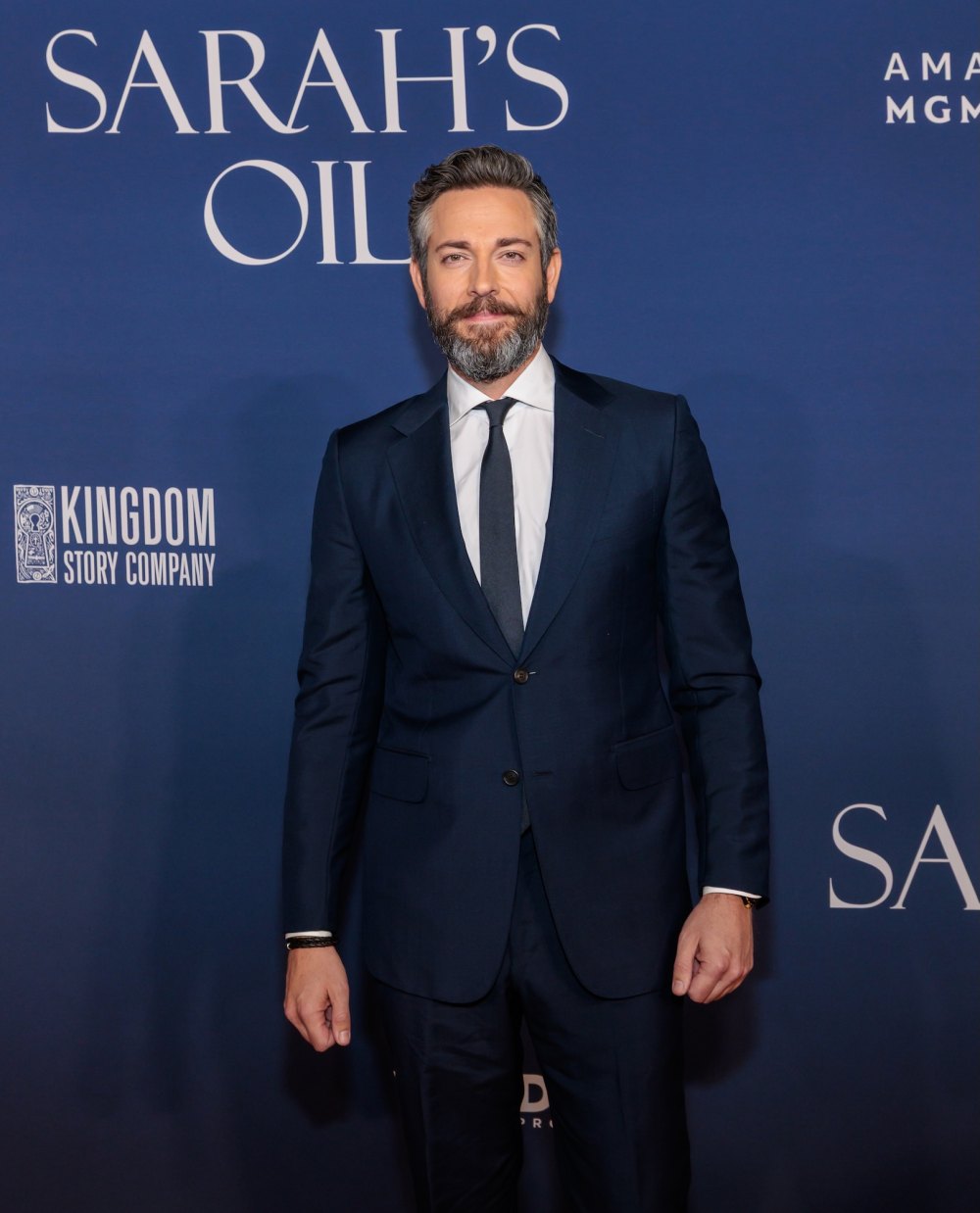
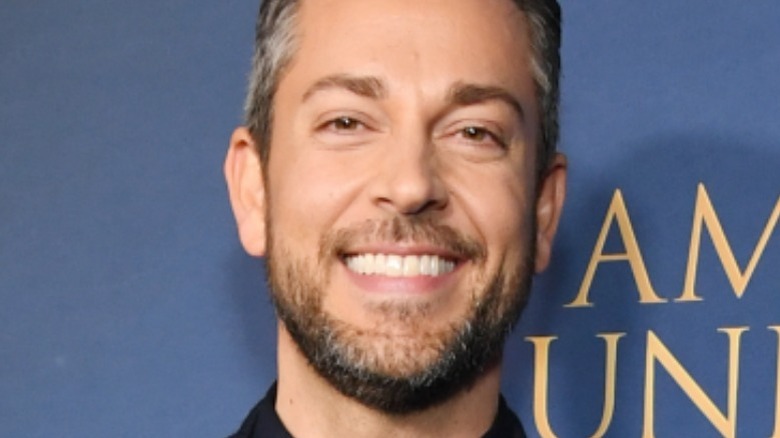
When gunfire erupted at the Washington Hilton during the White House Correspondents’ Dinner (WHCD), the evening of glamour and political satire turned into a scene of terror. Actor Zachary Levi, known for his roles in Chuck and Shazam!, was inside the ballroom when the shooting began—and his firsthand account offers one of the most visceral narratives of the chaos that followed.
Levi didn’t attend as a journalist or political figure. He was there as a guest, part of Hollywood's annual presence at the event. But in seconds, the red carpet and cocktail chatter gave way to fear, lockdown, and confusion. What unfolded inside that ballroom—and how Levi and others reacted—reveals both human resilience and the fragility of high-profile public gatherings.
The Scene Inside: From Glamour to Panic
The WHCD is traditionally a night of opulence: tailored tuxedos, designer gowns, and celebrities mingling with Washington’s power elite. The Washington Hilton ballroom, filled with over 2,500 attendees, buzzed with laughter and clinking glasses. Comedians delivered sharp political jabs, and cameras flashed without pause.
Then, a sudden commotion near the west wing of the ballroom.
“I heard what I thought was a microphone feedback pop,” Levi later told a news outlet in an on-the-record interview. “Then there was a second one—sharper, louder. And people started reacting.”
Within seconds, confusion spread. Some dismissed the noise as part of the show. Others ducked instinctively. Then came the shouting.
“Get down! Get under the tables!”
Security personnel moved fast, but so did the panic. Chairs scraped, women screamed, and guests dropped to the floor, some crawling beneath tables piled with half-eaten meals and toppled wine glasses.
Levi, seated near the back but with a clear view of the exits, said his first thought wasn’t about escape—it was about others.
“I saw an older woman struggling to get under her table. I crawled over, helped her, and made sure she was covered,” he said. “You don’t think—you just react. It’s like being in a movie, except you know this is real.”
Zachary Levi’s Role: Witness, Not Hero
Unlike how he’s portrayed in superhero films, Levi didn’t charge toward danger. He stayed low, stayed quiet, and followed instructions from security and staff.
But his presence—and subsequent comments—added a rare layer of visibility to the incident. As a recognizable face in entertainment, his account bypassed political spin and landed directly with the public.
“I don’t want to be labeled a hero,” he emphasized. “I didn’t do anything extraordinary. I just didn’t freeze.”
That humility, paired with authenticity, gave weight to his description of the internal ballroom dynamics during the shooting. Unlike outside reports that focused on law enforcement response or political implications, Levi’s version centered on the human experience: the muffled sobs, the shared glances of fear, the silence between gunshots.
How Information (and Misinformation) Spread in Real Time
One of the most critical aspects of any crisis is how quickly accurate information circulates—or doesn’t.
Inside the ballroom, cellular service faltered almost immediately. Calls wouldn’t connect. Texts failed. Social media feeds froze.
Guests turned to whisper chains: “There’s an active shooter near the east entrance.” “No, it’s outside.” “They’ve locked all the doors.” “Someone said it was a car backfiring.”
Levi described how rumors morphed in real time.
“Someone said a senator was hit. Then someone else said it was a prop gun from the entertainment segment. None of it was confirmed,” he recalled. “The worst part wasn’t the noise. It was the not knowing.”
This information vacuum is common in mass casualty scenarios. Without clear communication from authorities during the first 10–15 minutes, panic intensifies. Levi noted that the lack of public address announcements—despite the ballroom’s advanced sound system—was a glaring oversight.
“They had microphones for comedians but nothing to calm the crowd when it mattered most,” he said.
Security Gaps Exposed by the Incident
While no event can guarantee complete safety, the WHCD shooting highlighted specific vulnerabilities in venue preparedness.
The Washington Hilton, a frequent host of the dinner, has robust security protocols. Metal detectors, bag checks, and undercover agents are standard. Yet the shooter reportedly bypassed screening by accessing a service entrance during a lull in monitoring.
Once inside, the delayed lockdown of interior spaces allowed the threat to penetrate closer to the main ballroom.
Levi confirmed that doors leading from the hallway into the ballroom remained open for several minutes after the first shots.
“We could see people running past the entrance, but no one sealed it off right away,” he said. “It felt like it took forever for someone to finally shut and barricade those doors.”
Experts later pointed to a failure in coordinated response timing. Hotel staff, private security, and federal agents operate under different chains of command, often leading to hesitation in ambiguous situations.
This fragmentation, Levi suggested, cost precious seconds.
The Psychological Aftermath: Coping in the Spotlight
In the days following the shooting, Levi didn’t disappear. He spoke publicly—not for publicity, but to advocate for better crisis preparedness and mental health support for event attendees and staff.
“I had trouble sleeping,” he admitted. “Every loud noise made me flinch. I’d be in a restaurant and scan exits. That’s not paranoia. That’s trauma.”
He’s not alone. Psychologists report that even indirect exposure to violent events—especially in confined spaces like ballrooms or theaters—can trigger acute stress reactions. Symptoms include hypervigilance, flashbacks, and emotional numbness.
Levi encouraged fellow survivors to seek help.
“This isn’t something you just ‘get over,’” he said. “If you’re feeling off, talk to someone. Whether you were on the floor or watching on TV, it affects you.”
His openness helped reduce stigma around post-crisis emotional responses, particularly among men in the public eye.
What Event Planners Can Learn from the WHCD Shooting
High-profile events will continue to attract attention—both positive and dangerous. The WHCD incident offers critical lessons for organizers:
- Unified command structure: Security teams (private, local, federal) must operate under a single incident commander during emergencies.
- Real-time communication: Ballrooms and large venues need redundant emergency PA systems and pre-scripted lockdown announcements.
- Guest training: Briefings—even short ones—on evacuation routes and response procedures can save lives.
- Barricade protocols: Interior doors should be designed to lock or block quickly without relying on staff memory under stress.
- Mental health triage: Crisis response should include immediate psychological first aid, not just medical and law enforcement.
Levi’s account underscores how simple oversights—like unsecured doors or silent speakers—can compound danger.
Hollywood’s Evolving Relationship with Public Events
The WHCD has long been a symbol of the uneasy but enduring alliance between Washington and Hollywood. But incidents like this are forcing a reevaluation.
Some celebrities are now hesitant to attend. Others, like Levi, are pushing for safer environments rather than withdrawal.
“It’s not about staying away,” he said. “It’s about making sure we’re not sitting ducks in a room full of people who matter.”
His stance reflects a broader shift: entertainers are no longer just attendees. They’re stakeholders in event safety, using their platforms to demand accountability.
Conclusion: A Wake-Up Call in Real Time
Zachary Levi didn’t set out to become a witness to violence. But his experience during the WHCD shooting offers something statistics and press releases can’t: a human truth about fear, response, and responsibility.
The commotion inside the ballroom wasn’t just noise—it was a system failing in real time. And Levi’s voice, calm and candid, reminds us that survival isn’t just physical. It’s emotional, organizational, and ultimately, collective.
For event planners, security teams, and public figures alike, the lesson is clear: preparation isn’t optional. It’s the difference between chaos and control.
If you’re organizing or attending high-traffic events, don’t assume safety. Verify protocols. Know the exits. And if something feels wrong—act before you’re told to.
Because when the shots ring out, the most important response happens in the first 60 seconds.
FAQ
What was Zachary Levi doing at the WHCD? He attended as a guest, invited through media or industry connections, part of the entertainment contingent at the annual dinner.
Did Zachary Levi see the shooter? No, he did not see the individual responsible. His account focuses on the immediate reaction inside the ballroom and the confusion that followed the gunfire.
Were any celebrities injured during the shooting? As per official reports and Levi’s statements, no major injuries were sustained among celebrity attendees, though several guests suffered minor trauma or stress-related symptoms.
How did Zachary Levi help others during the incident? He assisted an older woman in getting under a table and stayed with her until security confirmed the area was secure.
Why didn’t the ballroom’s PA system make announcements during the shooting? The delay was attributed to communication breakdowns between security teams. Despite having a functional system, no emergency protocol was activated in time.
Has the WHCD changed its security since the incident? Yes, organizers have since announced stricter access controls, unified security command, and mandatory emergency briefings for attendees.
Is Zachary Levi involved in any safety advocacy now? He has publicly supported mental health resources for event attendees and called for improved crisis protocols at live gatherings.
FAQ
What should you look for in Zachary Levi Recounts Chaos During WHCD Shooting? Focus on relevance, practical value, and how well the solution matches real user intent.
Is Zachary Levi Recounts Chaos During WHCD Shooting suitable for beginners? That depends on the workflow, but a clear step-by-step approach usually makes it easier to start.
How do you compare options around Zachary Levi Recounts Chaos During WHCD Shooting? Compare features, trust signals, limitations, pricing, and ease of implementation.
What mistakes should you avoid? Avoid generic choices, weak validation, and decisions based only on marketing claims.
What is the next best step? Shortlist the most relevant options, validate them quickly, and refine from real-world results.