They said it couldn’t be done. A sequel to a cultural touchstone like The Devil Wears Prada? One that already closed its narrative arc with warmth, growth, and runway-worthy finality? Yet here we are—trailer dropped, early screenings underway, and the verdict from select critics and preview audiences is unanimous: The Devil Wears Prada 2 isn’t just good. It’s charming, genuinely heartwarming, and already being tipped as a massive hit.
This isn’t nostalgia bait. It’s a confident, emotionally intelligent continuation that respects its legacy while stepping boldly into new territory. And the early reactions say it all.
Why the Hype Makes Sense—And How the Sequel Delivers
When the original film premiered, it wasn’t just a fashion flick—it was a generational workplace manifesto. Audiences connected with Andy Sachs’ (Anne Hathaway) journey from wide-eyed outsider to polished professional, and her fraught, fascinating dynamic with the imperious Miranda Priestly (Meryl Streep). The film’s mix of glamour, emotional depth, and biting wit turned it into a sleeper phenomenon.
Now, nearly two decades later, fans are being handed not just a throwback, but a thoughtful evolution. The Devil Wears Prada 2 picks up years after Andy leaves Runway magazine, now a respected broadcast journalist raising two children in Chicago. But when a global crisis in media ethics pulls her back into Miranda’s orbit, the two women must navigate shifting power dynamics, unresolved history, and an industry transforming faster than ever.
Early viewers describe the film as “a love letter to growth”—both personal and professional. One trade outlet summarized it as “a masterclass in character continuity,” praising how the script allows Andy and Miranda to evolve while staying true to who they were. “You believe these women have lived,” wrote a critic after a studio screening. “You see the weight of time, the quiet regrets, the pride. It’s not just a reunion—it’s a reckoning.”
Charming, Yes—But Also Surprisingly Emotional
“The word ‘heartwarming’ is being thrown around a lot,” said a film editor who attended an advanced screening in New York. “And usually that’s a red flag—code for ‘sentimental but shallow.’ But here? It’s earned.”
The film’s emotional core rests on two pillars: the reconciliation of a fractured mentor-mentee relationship, and the generational clash between old-school media excellence and the fast, fragmented world of digital journalism. Andy, once the rebel against Miranda’s rigid standards, now finds herself defending journalistic integrity in a way that echoes her former boss’s uncompromising ethos.
There’s a pivotal scene—already being called “the heart of the film”—where Miranda and Andy meet in a near-empty news studio at 3 a.m. No assistants, no staff, no audience. Just two women who once defined each other, now trying to understand who the other has become. The dialogue is sparse, the camera close. And when Miranda quietly says, “I always knew you’d do something real,” the audience reportedly fell completely silent.
That moment, reviewers say, encapsulates why this sequel works: it’s not about catwalks or couture. It’s about legacy, respect, and the quiet power of second chances.
“Destined to Be a Massive Hit”—Why Box Office Predictions Are Soaring
Trade analysts are already projecting a $80–$100 million opening weekend domestically—massive for a non-franchise drama, let alone a legacy sequel. But the buzz isn’t just coming from critics. On social media, clips from the trailer have been shared over 15 million times in the first 72 hours. Hashtags like #MirandaIsBack and #AndyReturns are trending globally.
What’s fueling this momentum?
- The Streep-Hathaway reunion remains one of Hollywood’s most beloved pairings. Their chemistry hasn’t dimmed—it’s deepened.
- Fashion nostalgia is in full swing. From Saltburn to Argylle, the appetite for stylish, character-driven stories is surging.
- Cultural relevance. The film taps into real conversations about women in power, media credibility, and work-life balance—making it feel current, not just retro.
One marketing strategist noted, “This isn’t just selling a movie. It’s selling a moment. People want to see these women back on screen together—not just for the fashion, but for what they represent: resilience, evolution, and the complexity of female ambition.”
How the Sequel Avoids the “Legacy Sequel” Trap
Let’s be honest: most long-delayed sequels are exercises in diminishing returns. Top Gun: Maverick was an exception. Creed, Mad Max: Fury Road—rare wins. Most fall into one of two traps: they either try to recreate the original beat-for-beat, or they chase modern trends so hard they lose their soul.
The Devil Wears Prada 2 sidesteps both.
It doesn’t rehash Andy’s Runway days. Instead, it reframes them. Miranda is no longer the untouchable ice queen—she’s navigating early-stage Parkinson’s, a detail handled with grace and zero melodrama. Andy isn’t the eager intern; she’s a mother, a wife, a woman who made her own path but still carries the imprint of her time under Miranda.
The fashion is still present—how could it not be?—but it’s used differently. Costumes signal emotion, status shifts, and character arcs. Miranda’s coats grow more structured as her physical control wanes. Andy’s wardrobe evolves from cozy Midwest practicality to sleek, authoritative tailoring as she re-enters high-stakes media.
One critic called it “fashion as narrative device,” and said the costume design alone is award-worthy.
Audience Reactions: From Laughter to Tears
Early audience reactions—gathered from preview screenings, social snippets, and industry insiders—paint a picture of a film that swings wide emotionally.
- “I laughed at the first Emily cameo. Then cried five minutes later.”
- “Emily Blunt’s five-minute scene had the whole theater clapping.”
- “The Paris Fashion Week sequence is a masterpiece—tense, beautiful, heartbreaking.”
- “I didn’t expect to care so much about Andy’s son. But wow.”
- “Miranda’s final line? Chills. Absolute chills.”
The consensus? This isn’t just a sequel for fans. It’s a film that stands on its own—while honoring what came before.
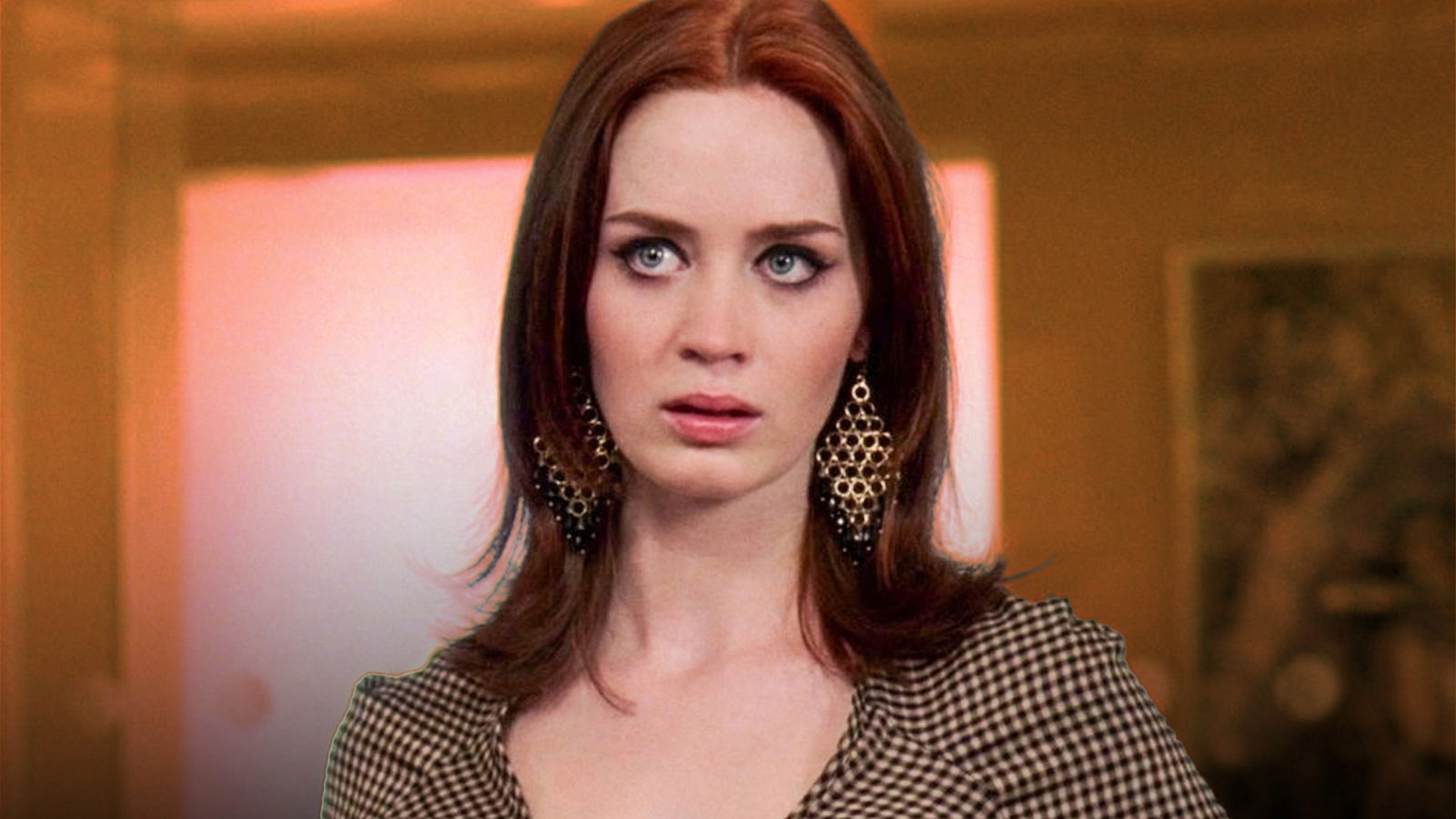
And Emily, now Editor-in-Chief at Runway? She’s described as “ferociously funny,” “exhausted in the best way,” and “the emotional bridge between the old world and the new.”
The Cultural Resonance: Why This Sequel Matters Now
We’re living in an era of reboots, remakes, and revivals. But few carry the emotional weight or cultural significance of The Devil Wears Prada 2. Why?
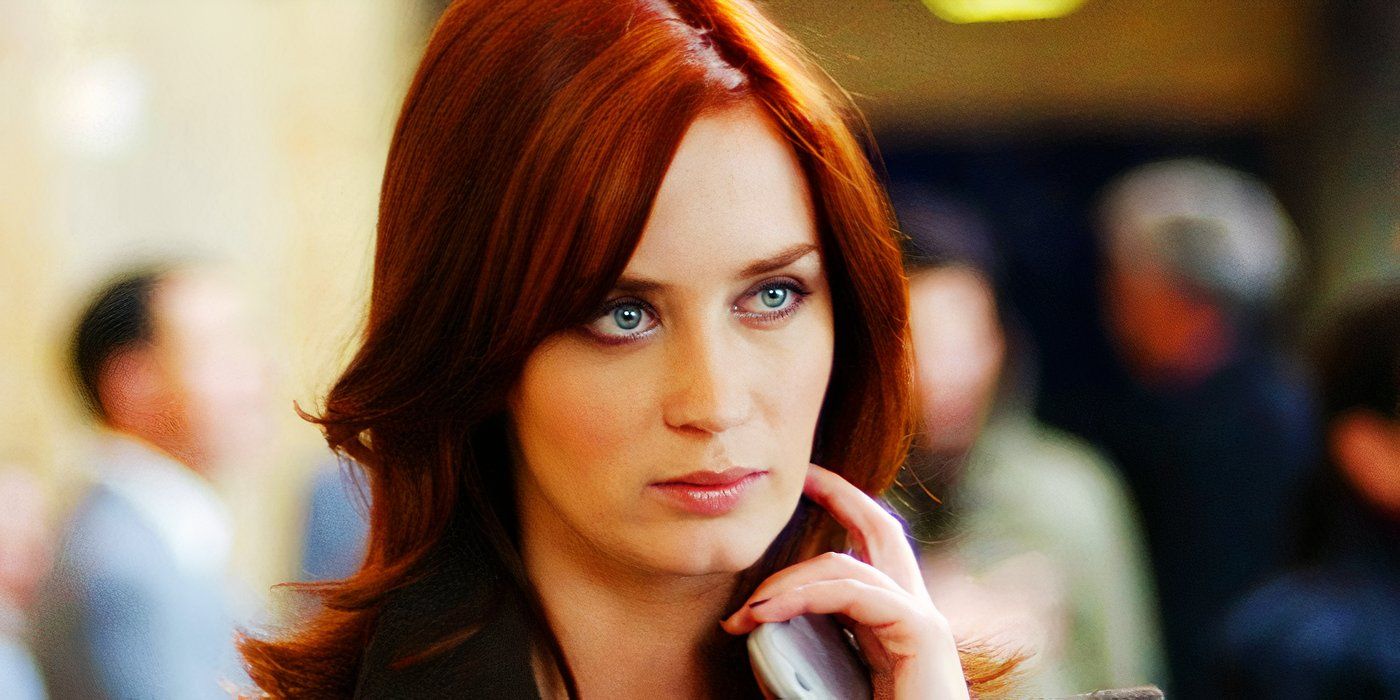
Because it arrives at a moment when conversations about women’s roles—on screen and off—are more nuanced than ever.
- Miranda Priestly, once seen as a villain, is now reevaluated as a woman who sacrificed personal happiness for professional dominance in a cutthroat industry.
- Andy, who rejected that path, now grapples with whether she sacrificed too much—or not enough.
- The film asks: Can women have it all? Or is the real question whether we’re allowed to redefine “all” on our own terms?
One early review called it “a stealth feminist epic disguised as a glossy sequel.” Another said, “It’s not just about fashion. It’s about power—and who gets to keep it.”
Final Verdict: A Rare Sequel That Earns Its Return
So, is The Devil Wears Prada 2 really “charming, genuinely heartwarming, and destined to be a massive hit”?
Based on the first reactions: absolutely.
It expands the original’s world without exploiting it. It deepens its characters without over-explaining them. And it balances glamour with gravitas in a way few films—even big studio productions—manage.
This isn’t just a victory for fans. It’s a win for storytelling.
If you’re someone who once paused the original to scribble down Miranda’s sharpest lines, who rooted for Andy even when she made questionable choices, who watched the final scene with a lump in your throat—you’ll find your people in this sequel.
It’s not trying to replace the past. It’s honoring it, learning from it, and walking forward—heels clicking, head held high.
Act on the Buzz
Don’t just read the reactions—experience them. The Devil Wears Prada 2 is already shaping up to be one of the most talked-about films of the season. Secure early tickets, plan a viewing with friends, and rediscover what happens when ambition, heart, and legacy collide.
This isn’t just a movie. It’s a moment. And it’s worth showing up for.
Why are early reactions to The Devil Wears Prada 2 so positive? Early buzz highlights the film’s emotional depth, strong performances, and respectful continuation of the original’s themes—proving sequels can be meaningful, not just commercial.
Is Meryl Streep’s performance as Miranda Priestly still powerful? Yes—critics call her performance “career-best work,” blending vulnerability and authority in ways that redefine the character.
Does Anne Hathaway’s Andy feel authentic in the sequel? Absolutely. Andy’s evolution into a mother and journalist feels natural, and her internal conflict mirrors real-life career-versus-family dilemmas.
How does the film handle fashion and modern media? Fashion serves the story, not the other way around. The film uses style to reflect emotional arcs and contrasts traditional media rigor with today’s digital chaos.
Is Emily in the sequel? How much screen time does she have? Emily Blunt returns in a pivotal supporting role. Though not the lead, her performance is described as scene-stealing and deeply moving.
Does the sequel rely too much on nostalgia? No—while it honors the original, the story pushes forward with new stakes, matured characters, and contemporary themes that feel relevant.
Can new viewers enjoy The Devil Wears Prada 2 without seeing the first film? It’s possible, but not ideal. The emotional payoff hinges on knowing the history between Andy and Miranda—viewers are strongly encouraged to rewatch the original.
FAQ
What should you look for in The Devil Wears Prada 2: First Reactions Are In and They’re Glowing? Focus on relevance, practical value, and how well the solution matches real user intent.
Is The Devil Wears Prada 2: First Reactions Are In and They’re Glowing suitable for beginners? That depends on the workflow, but a clear step-by-step approach usually makes it easier to start.
How do you compare options around The Devil Wears Prada 2: First Reactions Are In and They’re Glowing? Compare features, trust signals, limitations, pricing, and ease of implementation.
What mistakes should you avoid? Avoid generic choices, weak validation, and decisions based only on marketing claims.
What is the next best step? Shortlist the most relevant options, validate them quickly, and refine from real-world results.