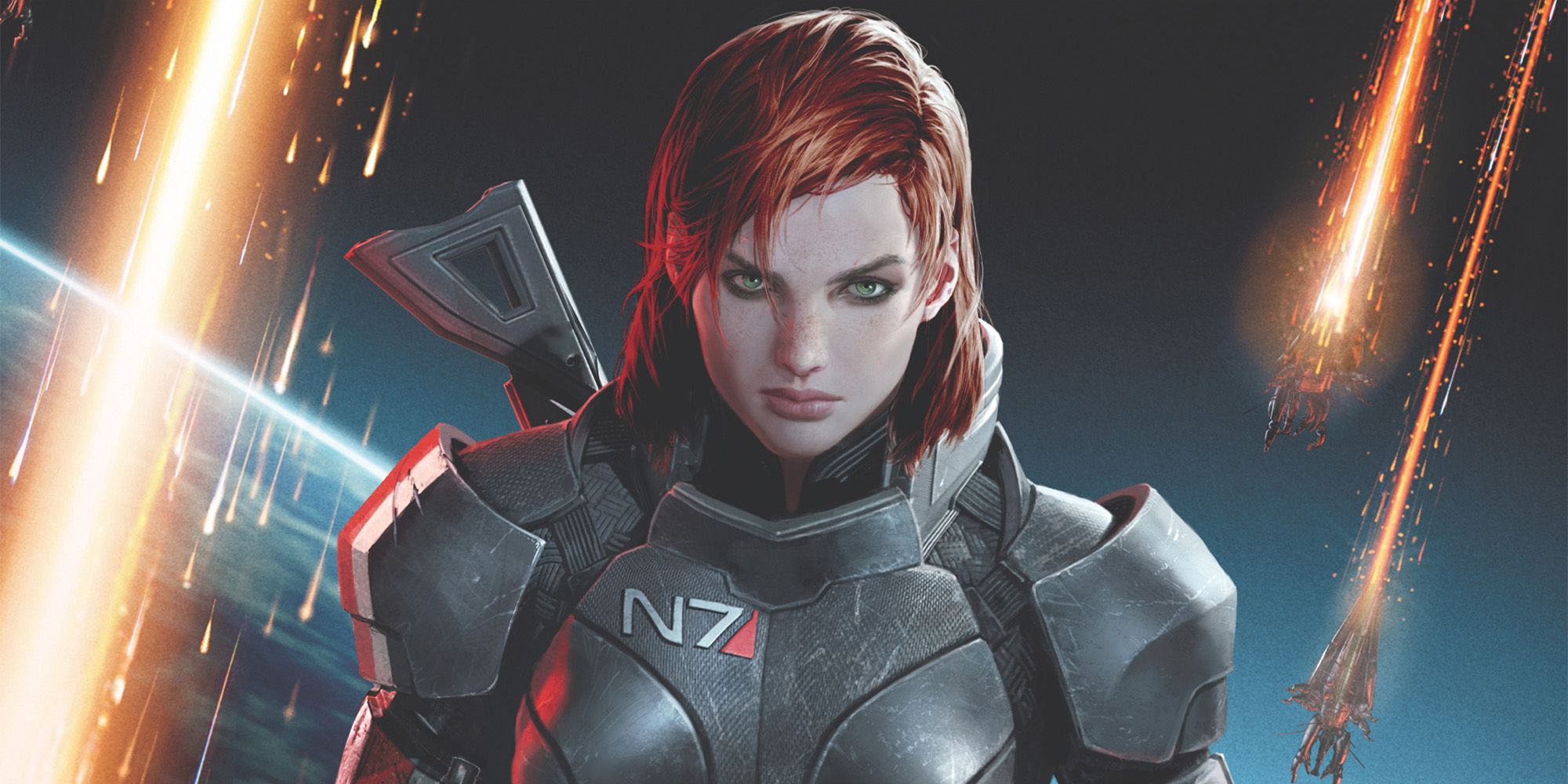
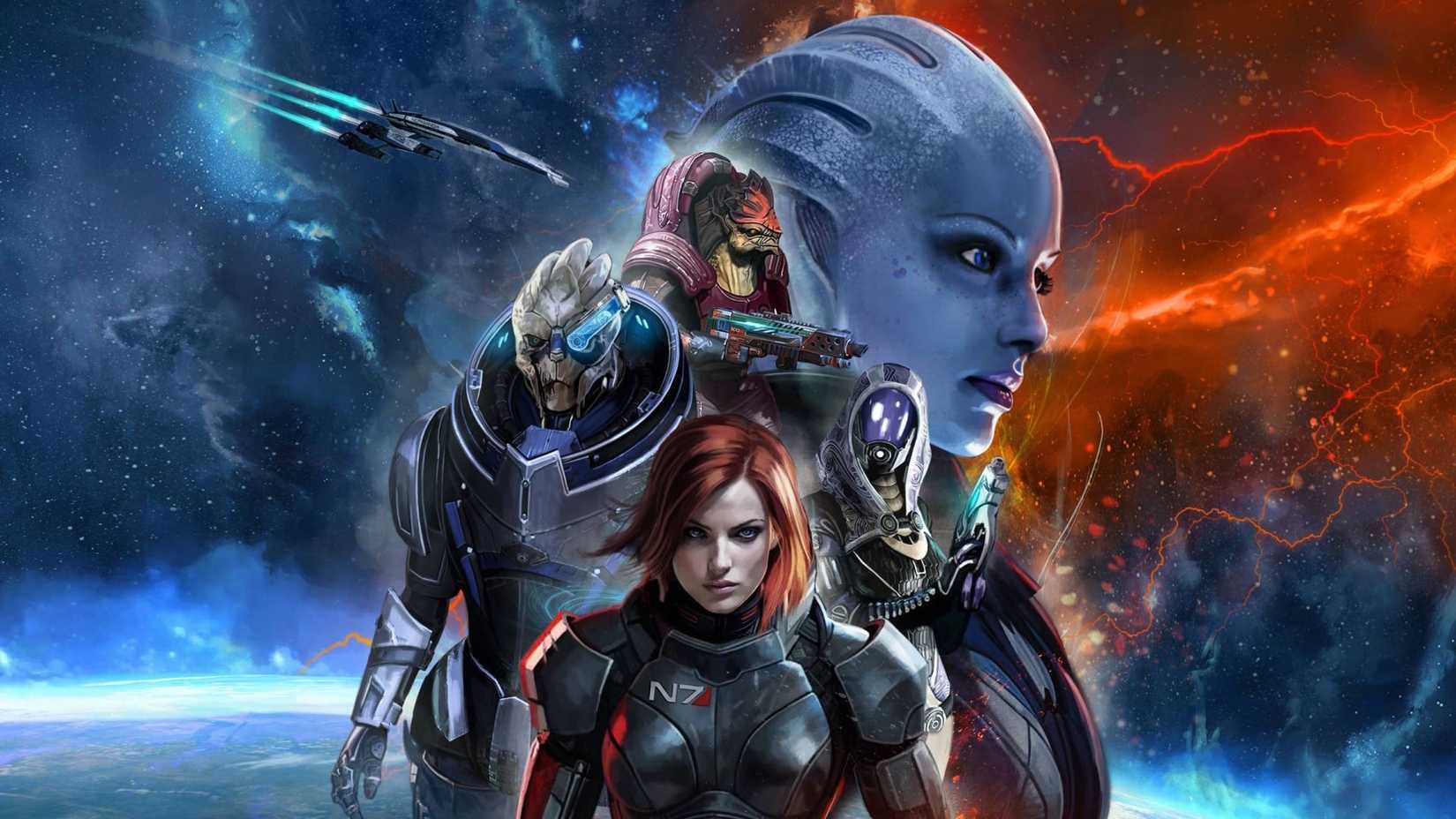
When a beloved franchise returns after years of silence, every decision is dissected—especially who returns, and who doesn’t. But what happens when a character widely criticized in the original trilogy is confirmed to reappear? Enter the rare moment when an actor speaks candidly about reprising a role fans love to hate. Recently, a Mass Effect actor has stepped forward to comment on the return of their controversial character, igniting fresh debate across forums, Reddit threads, and gaming news outlets.
This isn’t just about nostalgia. It’s about legacy, accountability, and the uneasy balance between creative vision and audience expectation. The actor’s comments offer a rare behind-the-scenes glimpse into how performers navigate fan hostility—and what it means when a divisive narrative choice gets a second life in the rebooted series.
The Character in Question: Why So Much Backlash?
Few characters in the Mass Effect trilogy sparked as much polarized reaction as Kai Leng. Introduced in Mass Effect 3, Leng was intended as a foil to Commander Shepard—a ruthless, cybernetically enhanced operative working for the Illusive Man. On paper, the concept was solid: a dark mirror to Shepard’s heroism. In practice, Leng became symbolic of broader issues with the game's final installment.
Fans criticized his: - Over-the-top animated cutscenes (especially the infamous "knee on the chest" scene) - Seemingly unearned narrative weight - Poorly written dialogue - Battle mechanics that felt frustrating rather than challenging
Worse, many felt Leng was prioritized over fan-favorite characters during limited squad screen time. The backlash was immediate and enduring. Memes mocking Leng flooded social media. “Kai Leng stabs your character” became shorthand for BioWare’s perceived narrative missteps.
Yet, years later, rumors surfaced that Leng—or someone very much like him—would return in the next Mass Effect installment. And with that, questions arose: Would the actor reprise the role? Did he even want to?
The Actor Speaks: A Nuanced Defense
In a recent interview with a major gaming outlet, Troy Baker, the voice and performance capture actor behind Kai Leng (and several other Mass Effect characters), addressed the speculation head-on.
“I’ve seen the jokes. I’ve read the threads. I get it—Kai Leng didn’t land the way everyone hoped. But as an actor, I never saw him as a villain. I saw him as a product of his world. Someone who believed he was doing the right thing, even as he made unforgivable choices.”
Baker’s comments are significant not just for fans, but for understanding how performers separate character reception from personal investment. He admitted that working on Leng was challenging due to script inconsistencies and last-minute changes—issues beyond the actor’s control.
He also pushed back gently on the idea that Leng was purely a narrative failure:
“Look, if a character provokes a reaction—positive or negative—that means he existed in the story. The real failure would’ve been if no one remembered him at all.”
Still, Baker acknowledged the tonal mismatch. “I remember recording lines where Kai was supposed to be menacing, but the context made him feel cartoonish. That wasn’t on the cast. That’s when editorial and direction need to align better.”
Fan Reaction: Divided, But Listening
The gaming community’s response to Baker’s comments has been unexpectedly balanced. While some doubled down on their disdain—“He still ruined the Cerberus arc,” read one top Reddit comment—others expressed newfound empathy.
One fan noted: > “I hated Leng, but I never blamed Troy. He gave it his all. The writing didn’t support him.”
This shift highlights a growing maturity in gaming discourse. Players are increasingly able to separate performance from product. A poorly written character doesn’t necessarily reflect poor acting—especially in a franchise where vocal performances are often the emotional core.
That said, skepticism remains. Many worry that bringing back Leng—especially with fan backlash unresolved—signals a lack of course correction from BioWare. “If they bring him back without addressing why fans hated him, they’re just poking the bear,” said a longtime Mass Effect community moderator.
What the Return Means for the Franchise
The possible return of Kai Leng—or a spiritual successor—raises critical questions about Mass Effect’s narrative direction. Is the reboot doubling down on past decisions? Or is it attempting to redeem or recontextualize them?
Baker hinted that if he returns, the portrayal will be different: > “If I step back into that role, it won’t be the same guy. Not exactly. Trauma changes people. Failure changes people. Maybe Leng finally understands the cost of his choices.”
This suggests a redemption or deconstruction arc—one that could satisfy both narrative continuity and fan desire for growth. But it’s a risky path. Redemption works only when earned, and Leng’s slate is heavy.
Consider similar examples in gaming: - The Last of Us Part II recontextualized Abby, turning initial hatred into empathy through gameplay and perspective shifts. - Red Dead Redemption 2 humanized Dutch van der Linde slowly, making his fall from grace tragic rather than abrupt.
If Mass Effect follows this model, Leng’s return could be powerful. But it requires: - Substantial screen time dedicated to his arc - Moral ambiguity, not sudden heroism - Consequences that feel real and painful
Without these, rehashing Leng risks feeling like fan service to the wrong audience—those who liked the character the first time, not those alienated by him.
Behind the Scenes: Why Actors Stay Committed
It’s easy to assume that actors might avoid roles associated with intense criticism. But in reality, many embrace them. Why?
For performers like Baker, controversial roles offer: - Complexity – Leng wasn’t one-dimensional. He believed in Cerberus’s mission, even as it corrupted. - Emotional range – The character went from loyal agent to betrayed operative, offering dramatic peaks. - Legacy – Love him or hate him, Leng is remembered. That visibility matters.
Moreover, voice actors in gaming often have little control over final edits. Facial animations, camera angles, and script rewrites happen post-recording. “We deliver the performance,” Baker explained. “But the final cut? That’s in someone else’s hands.”
This dynamic creates a strange dissonance: actors invest deeply in characters that fans judge based on factors outside their influence.
Can a Reviled Character Be Redeemed?
Redemption arcs are tricky—especially in established universes with passionate fanbases. But it’s not impossible.
- Consider three keys to successful character rehabilitation:
- Accountability – The character must acknowledge past harm, not deflect it.
- Sacrifice – They must lose something meaningful to prove change.
- Time – Redemption shouldn’t happen overnight. It needs narrative space.
If Leng returns, he must face the consequences of his actions: the squadmates he endangered, the missions that failed, the ideals he betrayed. Perhaps he’s now a broken man, stripped of power and influence, forced to confront what he became.
Alternatively, the new game could introduce a “Leng archetype”—a new character shaped by the same forces but allowed to evolve differently. This avoids alienating fans while preserving thematic continuity.
Either way, Baker’s willingness to engage with the criticism suggests BioWare may be taking feedback seriously—even if quietly.
The Bigger Picture: Franchise Revivals and Fan Trust
Mass Effect’s return isn’t just about one character. It’s about rebuilding trust. After the divisive ending of Mass Effect 3 and the mixed reception of Andromeda, fans are cautious.
Bringing back a symbol of past missteps—especially one as charged as Kai Leng—feels like a test. Is BioWare listening? Or are they doubling down?
The actor’s comments won’t settle the debate, but they do something valuable: humanize the process. They remind us that real people—writers, directors, performers—stand behind every pixel and line of dialogue. Some decisions are made in isolation, under pressure, with imperfect information.
That doesn’t excuse poor writing. But it does invite empathy.
For the reboot to succeed, it must balance bold creative risks with fan respect. Reintroducing Leng could be either a masterstroke or a misstep—depending entirely on execution.
Moving Forward: What Fans Should Watch For
As more details emerge about the next Mass Effect game, here’s what to monitor: - Troy Baker’s official involvement – Is he listed in credits? Is his name tied to a new character? - Narrative focus – Will Leng (or his counterpart) have a layered arc, or just be a boss fight? - Fan service vs. substance – Are returning elements meaningful, or just nostalgic nods? - BioWare’s communication – Are they acknowledging past criticism, or avoiding it?
Players should also reflect on their own expectations. Is it fair to demand a character’s exclusion based on past writing? Or should every role be judged anew?
The return of a controversial character isn’t just a plot point. It’s a conversation—one that the actor, the studio, and the audience are now having together.
Closing Thought
The Mass Effect actor’s comments on their controversial character’s return aren’t just PR. They’re a quiet challenge: to separate art from artist, performance from product, and to consider that even the most reviled characters can evolve. Whether Leng makes a comeback or not, the dialogue he’s sparked—about legacy, redemption, and creative responsibility—might be his most lasting impact.
Frequently Asked Questions
Did Troy Baker enjoy playing Kai Leng? Despite fan backlash, Baker has stated he found the role challenging and engaging, though he acknowledged the character was hindered by writing and direction issues.
Is Kai Leng confirmed to return in the next Mass Effect game? As of now, there is no official confirmation. However, rumors and cryptic comments from developers and actors suggest a possible return or reimagining.
Why do fans dislike Kai Leng so much? Fans criticized his over-the-top scenes, lack of likability, underdeveloped motivation, and the perception that he replaced more beloved characters in key story moments.
Can a hated character be successfully redeemed in a sequel? Yes, but only with careful writing that includes accountability, sacrifice, and narrative time. Examples like Abby in The Last of Us Part II show it’s possible.
Did the actor blame fans for hating the character? No. Troy Baker expressed understanding of the backlash and placed responsibility on creative decisions, not audience reaction.
Could someone else play Leng if he returns? Possible, but unlikely. Baker’s performance is iconic, and recasting could create more backlash than keeping the character away entirely.
Is BioWare addressing past criticism in the new game? Early signals suggest they are more engaged with fan feedback, but concrete narrative changes won’t be clear until a gameplay reveal or release.
FAQ
What should you look for in Mass Effect Actor Breaks Silence on Controversial Character Return? Focus on relevance, practical value, and how well the solution matches real user intent.
Is Mass Effect Actor Breaks Silence on Controversial Character Return suitable for beginners? That depends on the workflow, but a clear step-by-step approach usually makes it easier to start.
How do you compare options around Mass Effect Actor Breaks Silence on Controversial Character Return? Compare features, trust signals, limitations, pricing, and ease of implementation.
What mistakes should you avoid? Avoid generic choices, weak validation, and decisions based only on marketing claims.
What is the next best step? Shortlist the most relevant options, validate them quickly, and refine from real-world results.