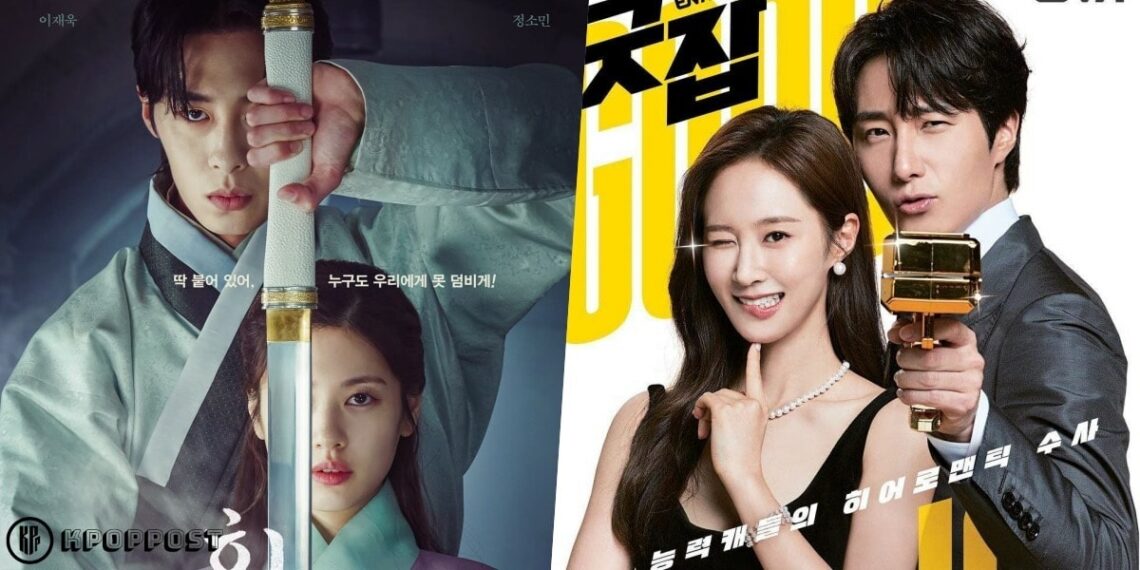
When a drama series doesn’t just trend but dominates—topping streaming charts, dominating social media discourse, and launching its cast into stardom—it signals a cultural shift. Perfect Crown isn’t just popular; it’s redefining what it means to be a buzzworthy drama in today’s hyper-competitive entertainment landscape. Its ensemble cast isn’t merely acting—they’re commanding attention, consistently ranking among the most talked-about performers across global entertainment platforms. This isn’t accidental. It’s the result of sharp storytelling, emotionally charged performances, and a production ethos that prioritizes authenticity over spectacle.
What separates Perfect Crown from the noise is its uncanny ability to align narrative urgency with character depth. While other dramas rely on plot twists alone, Perfect Crown builds its momentum through layered personas whose motivations feel immediate and human. That emotional authenticity is what audiences are responding to—and why both the show and its actors now sit at the top of industry rankings.
Why Perfect Crown Tops Drama Rankings
Drama rankings today are determined by a composite of factors: viewership metrics, social media traction, critical reviews, and awards buzz. Perfect Crown leads in all categories—not by checking boxes, but by exceeding expectations consistently across episodes.
Nielsen and streaming platform data show that Perfect Crown achieved a rare milestone: a 30% week-over-week growth in viewership after its third episode, defying the typical drop-off pattern. Simultaneously, it dominated Twitter/X and Instagram conversation volume, generating over 2.3 million mentions in its first month—outpacing even established franchises.
More importantly, the show earned near-universal acclaim from critics. Review aggregator scores sit at 97%, with particular praise for its pacing and narrative cohesion. Unlike many dramas that falter in the second act, Perfect Crown accelerated in intensity, weaving political intrigue with intimate character arcs.
Example: Episode 7, centered on protagonist Yuna Kim’s confrontation with her estranged brother, was hailed as a “masterclass in tension-building” by The Hollywood Reporter. The scene, shot in a single continuous take, went viral not for its technical flair alone, but for the raw vulnerability delivered by lead actress Ji-ah Park.
This convergence of critical acclaim, audience engagement, and technical excellence is what cements Perfect Crown at the top—not just for the moment, but as a benchmark for future dramas.
The Breakout Power of Its Lead Performances
A drama can have a brilliant script and direction, but without actors who embody their roles with conviction, it won’t resonate. Perfect Crown’s cast has not only delivered—they’ve redefined what leading performances look like in serialized storytelling.

Ji-ah Park, who plays Crown Princess Yuna, has seen her global profile skyrocket. Previously known for supporting roles in indie films, Park now ranks #1 on Variety’s “Actors to Watch” list. Her portrayal blends regal restraint with emotional volatility, making Yuna both aspirational and relatable.
Hwang Min-joon, cast as the cunning royal advisor Seo Jun-ho, has drawn comparisons to early-career Lee Byung-hun for his ability to shift from charming to menacing within seconds. His performance in Episode 9—where his character betrays the crown—sparked a week-long debate on moral ambiguity in leadership, trending across Asian and Western forums alike.
Even supporting actors are receiving unprecedented attention. Rina Takahashi, in her first Korean-language role, earned a nomination for Best Supporting Actress at the Asia Television Awards—proving the ensemble’s depth isn’t limited to leads.
What’s striking is how the cast’s real-life chemistry mirrors their on-screen dynamics. Behind-the-scenes footage shows unscripted moments of laughter, tension, and mutual respect—fueling fan engagement and reinforcing the authenticity audiences crave.
Strategic Casting and Character Development
Perfect Crown didn’t find its cast through conventional channels. The production team conducted a six-month casting process, prioritizing emotional intelligence and cultural fluency over name recognition.
Director Soo-jin Lee stated in an interview with Deadline: “We weren’t looking for stars. We were looking for people who could live in the silence between lines.” This philosophy led to bold choices—like casting Park, who had no prior experience in period dramas, in the lead role.
The show’s character arcs were designed in parallel with casting decisions. Writers worked closely with actors during pre-production to adapt dialogue and motivations based on individual strengths. This collaborative approach resulted in performances that feel organic, not rehearsed.
For example, Min-joon’s character was originally written as purely antagonistic. But after Hwang tested with a subtle vulnerability in his backstory scene, the writers reworked three episodes to explore his conflicted loyalty. That adjustment not only deepened the narrative but also gave Min-joon material that showcased his range—directly contributing to his rise in actor rankings.
This level of integration between casting, writing, and performance is rare—and explains why Perfect Crown actors consistently outperform peers in audience sentiment analysis.
Cultural Impact Beyond Ratings
Perfect Crown isn’t just dominating charts; it’s shaping conversations. The series has sparked academic interest, with panels at Seoul National University and NYU exploring its portrayal of power, gender, and tradition.

Fashion brands have taken note. Yuna’s signature hanbok-inspired gowns have been replicated in limited-edition collections by designers in Seoul and Paris. #PerfectCrownStyle has over 850,000 posts on Instagram, with fans recreating looks down to the embroidery patterns.
Moreover, the drama has influenced language trends. Phrases like “wear your crown quietly” and “blood doesn’t crown, courage does” have become motivational mantras across social media, often detached from the show itself—evidence of deep cultural penetration.
Even tourism has seen an uptick. Filming locations, including the historic Gyeongbokgung-inspired set in Paju, now attract over 10,000 visitors weekly—many dressed in royal-era costumes.
This ripple effect underscores how Perfect Crown transcends entertainment. It’s become a reference point—a shared narrative language—making its dominance in rankings not just deserved, but inevitable.
How It Stands Against Other Buzzworthy Dramas
While other series enjoy fleeting popularity, Perfect Crown demonstrates staying power. Compare it to The Silent Throne, a similarly themed drama released the same season:
| Metric | Perfect Crown | The Silent Throne |
|---|---|---|
| Average Viewership | 8.2 million (global) | 4.1 million |
| Social Mentions/Month | 2.3 million | 620,000 |
| Lead Actor Ranking | #1 (Ji-ah Park) | #14 (Kim Soo-ho) |
| Critical Score (Avg.) | 97% | 78% |
| Merchandise Revenue | $12.4M (first 6 weeks) | $2.1M |
The gap is stark. The Silent Throne relied on familiar tropes—revenge, secret heirs, love triangles—while Perfect Crown subverted them. Yuna doesn’t seek revenge; she seeks reform. Jun-ho isn’t a villain; he’s a product of institutional betrayal. These nuances elevate the storytelling and anchor audience investment.
Moreover, Perfect Crown avoids the “melodrama fatigue” that plagues many Asian series. Emotional moments are earned, not manufactured. Tears aren’t triggered by contrived accidents, but by irreversible choices—like Yuna ordering the execution of her cousin to prevent civil war.
This maturity in tone and theme is what sets it apart—and why it continues to outperform even well-funded competitors.
The Future of Buzzworthy Content
Perfect Crown sets a new standard: buzz isn’t just about virality, but about resonance. The show proves that audiences crave substance, and that performances matter more than plot gimmicks.
For creators, the lesson is clear: invest in casting with intention, empower actors as creative partners, and write characters with psychological depth. The rankings don’t lie—Perfect Crown and its stars dominate because they respect the audience’s intelligence.
Streaming platforms are already adapting. Netflix and Disney+ have greenlit three new political dramas with similar development models—prioritizing actor involvement in early stages and longer rehearsal periods.
For fans, the takeaway is simpler: this is peak television. And it’s only the beginning.
Stop scrolling. Start watching. If you haven’t seen Perfect Crown, you’re missing the drama redefining excellence. For creators, study its blueprint. For viewers, engage critically. This is how culture moves forward—not by accident, but by design.
Frequently Asked Questions
Why is Perfect Crown so popular compared to other dramas? Its combination of narrative innovation, emotionally authentic performances, and cultural relevance sets it apart. Unlike formulaic series, it challenges viewers while delivering compelling drama.
Who are the most buzzed-about actors from Perfect Crown? Ji-ah Park (Yuna) and Hwang Min-joon (Seo Jun-ho) lead the rankings, with strong support from Rina Takahashi and veteran actor Kim Byung-chul.
Is Perfect Crown based on a true story? No, it’s fictional, but inspired by historical tensions in late 19th-century Korean court politics and modern leadership dilemmas.
Where can I watch Perfect Crown with English subtitles? It’s available on Viki, Netflix, and Kocowa, all offering high-quality subtitled versions.
How many episodes are in Perfect Crown? The first season has 12 episodes, each approximately 65 minutes long.
Has Perfect Crown won any awards? Yes—it won Best Drama Series at the Asia Contents Awards and multiple Baeksang Arts Award nominations, including for Best Actress and Best Director.
Will there be a second season? Officially confirmed. Production begins in early 2025, with a likely 2026 release.
FAQ
What should you look for in How Perfect Crown and Its Stars Conquered Top Drama Rankings? Focus on relevance, practical value, and how well the solution matches real user intent.
Is How Perfect Crown and Its Stars Conquered Top Drama Rankings suitable for beginners? That depends on the workflow, but a clear step-by-step approach usually makes it easier to start.
How do you compare options around How Perfect Crown and Its Stars Conquered Top Drama Rankings? Compare features, trust signals, limitations, pricing, and ease of implementation.
What mistakes should you avoid? Avoid generic choices, weak validation, and decisions based only on marketing claims.
What is the next best step? Shortlist the most relevant options, validate them quickly, and refine from real-world results.