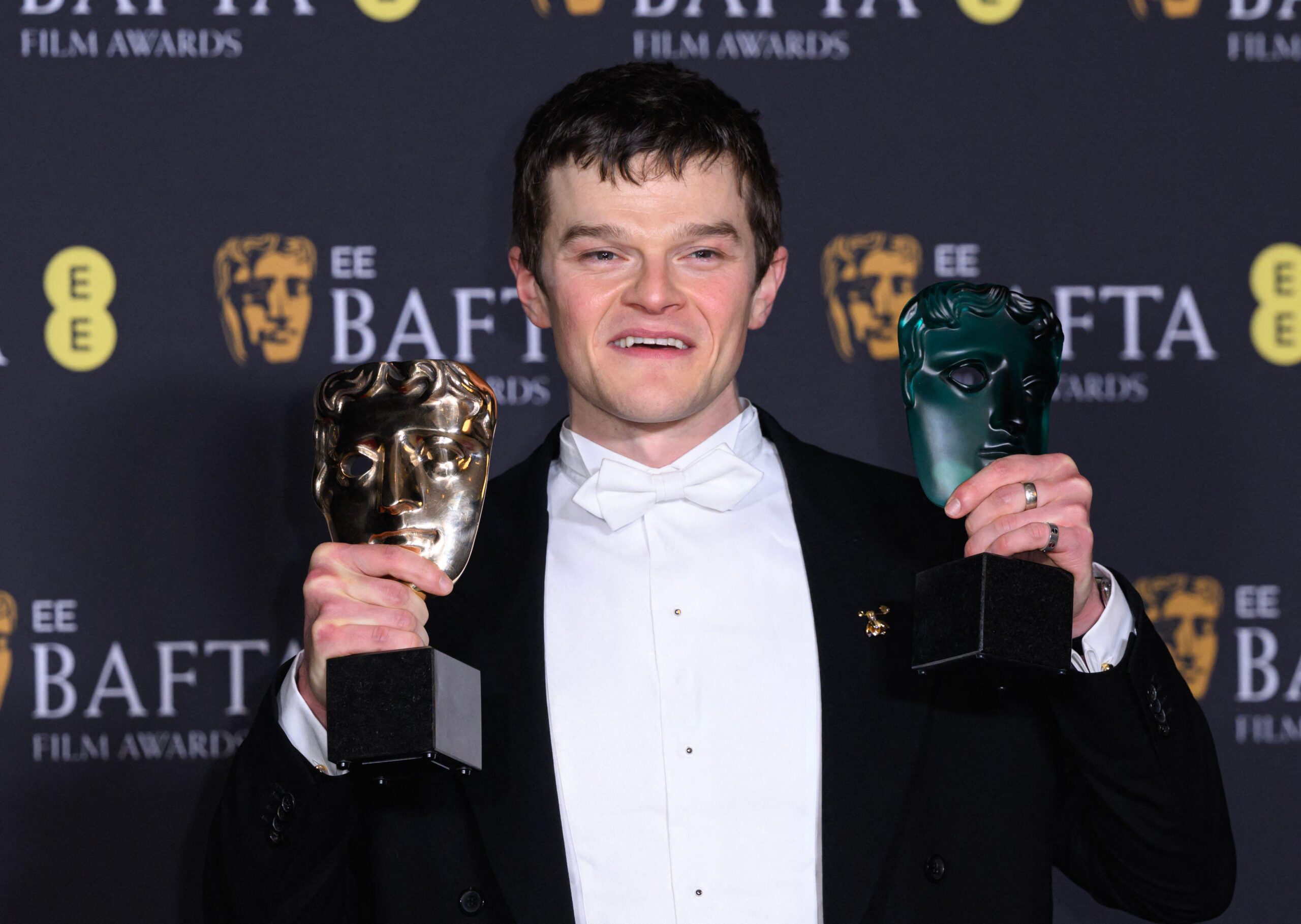
The BAFTA Craft Awards have long served as a barometer for technical and creative excellence in British television and film. In 2026, the spotlight shone brightest on Adolescence, Netflix’s visceral coming-of-age drama, which walked away with two prestigious gongs—solidifying its place not just as a fan favorite, but as a masterclass in television craftsmanship. Amid a fiercely competitive field that included the breakout political satire Celebrity Traitors, Adolescence didn’t just win; it made a statement.
This wasn’t mere popularity. The wins—Best Photography & Lighting: Fiction and Best Editing: Fiction—were hard-earned acknowledgments of a series that has redefined how youth stories are told on screen. Every frame, cut, and shadow in Adolescence serves a narrative purpose, and the Craft Awards jury recognized that depth.
Why the Craft Awards Matter More Than Ever
Before dissecting Adolescence’s triumphs, it’s worth understanding what separates the Craft Awards from their more televised sibling, the main BAFTAs. While the latter often spotlight performances and popularity, the Craft ceremony honors the unseen architects: cinematographers, editors, sound designers, costume artists, and visual effects teams.
In an era where streaming content floods the market, technical precision is what makes a show last. A compelling script can be undermined by poor pacing; a gripping performance lost in muddy lighting. The Craft Awards reward those who elevate storytelling through mastery of form.
Adolescence’s dual win signals that it isn’t just resonating emotionally—it’s being studied technically. Film schools will dissect its long takes, its color grading, its non-linear edits. And they should.
Adolescence: A Visual and Editorial Triumph
The show’s cinematography, led by award-winning DP Miriam Cade, employs a handheld, natural-light-heavy approach that immerses viewers in the protagonist’s unstable world. The Best Photography & Lighting award was no surprise to those who’ve studied episodes like “The Fall,” where a single 12-minute take tracks a teenage girl through a chaotic house party, the camera weaving between bodies, flashlights, and flickering LEDs.
What made this win exceptional was the consistency. Across all eight episodes of Season 3, lighting wasn’t just atmospheric—it was symbolic. Warm tones denote fleeting moments of safety; cold, clinical blues accompany institutional spaces. The jury noted in their comments: “Every lighting choice feels authored, not accidental.”
Equally impressive was the win for Best Editing: Fiction, awarded to lead editor Theo Malakai. The series uses a fractured timeline to mirror its protagonist’s dissociative episodes, cutting abruptly between present trauma and fragmented memories. In Episode 5, “Echo Chamber,” the edit syncs audio from a past assault with present-day silence, creating a jarring, deeply empathetic effect.
Malakai didn’t just manage pacing—he weaponized it. “We treated editing like psychological surgery,” he said in a post-win interview. “Each cut had to either reveal or conceal trauma. Nothing was neutral.”
Celebrity Traitors: The Dark Horse Contender
While Adolescence dominated headlines, Celebrity Traitors was the surprise breakout of the night, earning three nominations and winning one: Best Sound: Fiction. The satirical thriller, which imagines a dystopian reality show where famous figures are forced to betray each other for survival, leaned heavily on immersive audio design.
The winning moment came in the finale, where layered whispers, distorted voiceovers, and sudden silences created a sense of paranoia that permeated the audience. Sound designer Lila Chen used binaural recording techniques to make home viewers feel like they were inside the contestants’ heads.
Though it didn’t match Adolescence’s haul, Celebrity Traitors proved that genre shows can earn craft recognition when they push technical boundaries. Its nomination in Best Production Design (though it lost to Adolescence) signaled growing respect for its meticulously constructed, Orwellian set pieces.
Behind the Scenes: What It Takes to Win
Winning at the Craft Awards isn’t about last-minute polish. It’s the result of meticulous planning, collaboration, and creative risk-taking long before the first frame is shot.
For Adolescence, that meant: - Pre-visualization sessions with editors and DPs before filming began - Custom LUTs (Look-Up Tables) developed specifically for each character’s emotional arc - Non-traditional shooting schedules to capture authentic golden-hour lighting across multiple locations
One common mistake productions make? Treating craft roles as secondary. “We’ve seen shows where editors are brought in after filming,” said BAFTA juror and former editor Rajiv Mehta. “By then, the damage is done. Adolescence had their editor on set daily. That’s the difference.”
Another factor: post-production agility. While many series lock their cuts early, Adolescence allowed for fluid editing, even reshooting scenes based on early assembly feedback. This level of flexibility is rare in streaming, where deadlines are rigid—but it paid off in narrative cohesion.
The Impact on Netflix’s Creative Strategy
Netflix has long chased awards credibility, but with Adolescence, it’s shifting from prestige-by-investment to prestige-by-innovation. This isn’t a $200 million historical epic with A-list stars. It’s a character-driven drama with unknown leads, shot on modest budgets, but elevated by bold creative choices.
The win reinforces a trend: Netflix is now prioritizing shows with strong aesthetic identities. Internal reports suggest that projects with defined visual languages—like Adolescence, Beef, and The Last of Us—generate higher retention and critical engagement.
What does this mean for future productions? More empowerment for DP and editing leads. More investment in pre-viz and post-production workflows. And likely, more risk-taking in narrative structure.
Craft Excellence as a Competitive Advantage
In the streaming wars, differentiation is survival. With over 800 original series launched globally in 2025, standing out requires more than star power or viral marketing.

Adolescence proves that technical excellence can become a brand. Fans now expect a certain visual language. Critics refer to “the Adolescence look” as shorthand for raw, emotionally charged realism. That’s cultural penetration.
Compare this to shows that win popularity but lack craft depth—high viewership, low rewatchability. Adolescence is studied, not just consumed. University film departments have already added its third season to syllabi.
For creators, the lesson is clear: invest in your craft team early. Hire editors who think like writers. Empower DPs to shape narrative tone. Treat sound design as storytelling, not just effects.
What’s Next for Adolescence?
With Season 4 confirmed, the pressure is on. Can it evolve without losing its signature style? Showrunner Naomi Kaito hinted at a shift toward more surreal, dreamlike sequences—potentially blending live action with animation.
If successful, it could make history: the first drama to win three consecutive Best Photography and Best Editing awards. But the risks are high. Straying too far from its grounded roots might alienate fans.
Still, if anyone can pull it off, it’s this team. Their BAFTA wins weren’t flukes. They were validations of a process—one built on collaboration, precision, and emotional honesty.
The Last Word
Adolescence didn’t just win at the BAFTA Craft Awards. It redefined what a teen drama can be. By merging technical mastery with raw narrative power, it’s set a new benchmark for streaming television.
For creators, the takeaway is urgent: in a saturated market, craft isn’t a luxury. It’s your edge.
For viewers, it’s a promise: not just entertainment, but art.
FAQ
Did Adolescence win any acting awards at the BAFTA Craft Awards? No—acting awards are presented at the main BAFTA Television Awards, not the Craft ceremony. The Craft Awards focus solely on technical and behind-the-scenes roles.
What other shows were nominated in the same categories as Adolescence? In Best Photography & Lighting, it competed with The Last Kingdom: Final Chapter and Celestial. In Editing, nominees included Slow City and The Long Night.
Who designed the visual style of Adolescence? The show’s visual identity was shaped by DP Miriam Cade and production designer Elena Voss, in close collaboration with showrunner Naomi Kaito.
Was Celebrity Traitors expected to win more awards? It was considered a strong contender, especially in sound and production design. Its single win was seen as a slight underperformance given its three nominations.
How does winning a Craft Award impact a show’s future? It boosts credibility, attracts top-tier talent for future seasons, and increases eligibility for international awards circuits like the Emmys.
Is Adolescence available globally on Netflix? Yes, all three seasons are streaming worldwide, with Season 4 expected in late 2026.
Are the Craft Awards voted on by the same body as the main BAFTAs? No—Craft Awards are judged by specialized juries within each technical discipline, ensuring expert evaluation.
FAQ
What should you look for in BAFTA Craft Awards Winners: Adolescence Dominates with Two Major Wins? Focus on relevance, practical value, and how well the solution matches real user intent.
Is BAFTA Craft Awards Winners: Adolescence Dominates with Two Major Wins suitable for beginners? That depends on the workflow, but a clear step-by-step approach usually makes it easier to start.
How do you compare options around BAFTA Craft Awards Winners: Adolescence Dominates with Two Major Wins? Compare features, trust signals, limitations, pricing, and ease of implementation.
What mistakes should you avoid? Avoid generic choices, weak validation, and decisions based only on marketing claims.
What is the next best step? Shortlist the most relevant options, validate them quickly, and refine from real-world results.