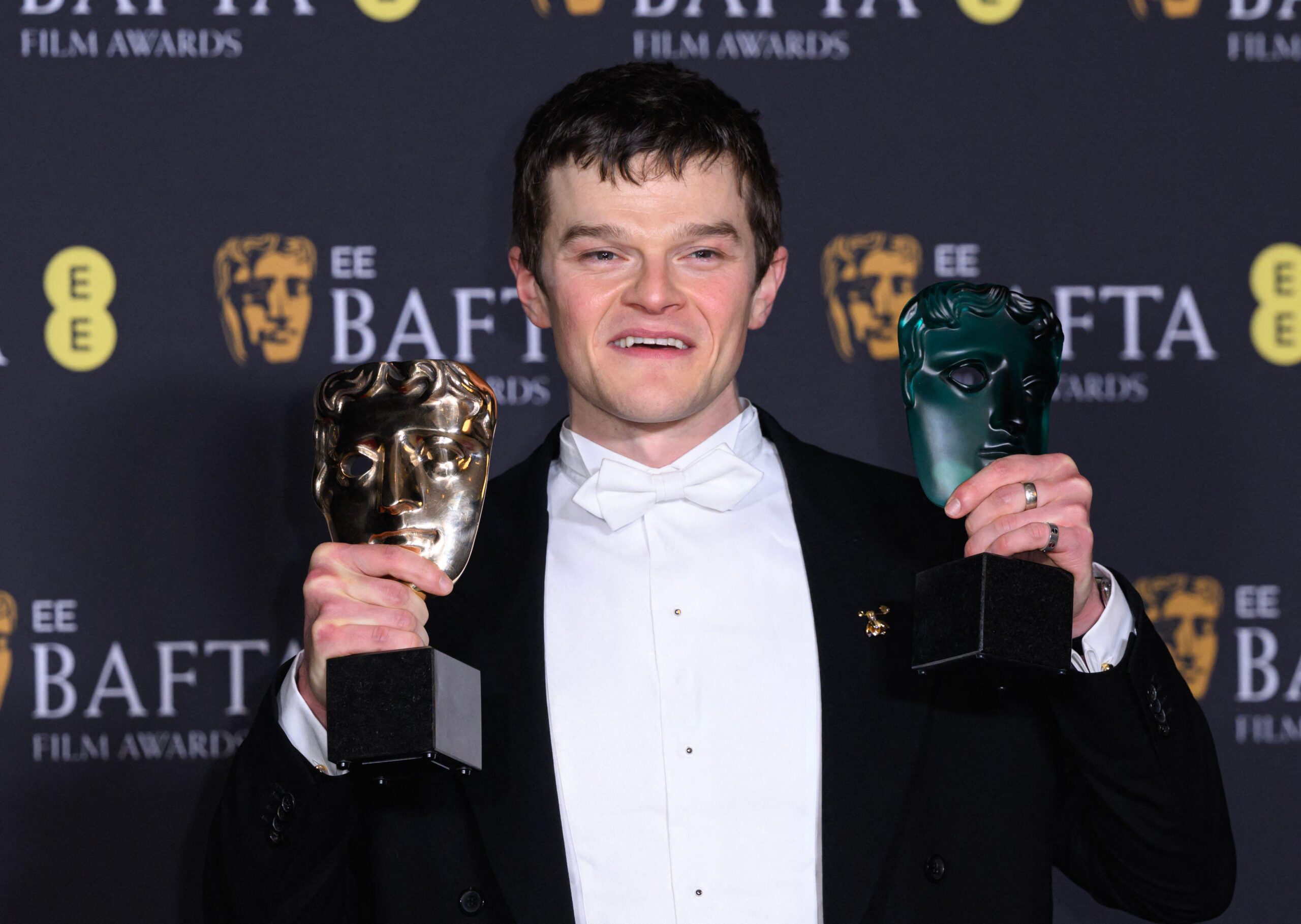
The 2026 BAFTA Craft Awards didn’t just celebrate technical excellence—they confirmed a cultural shift. Adolescence, Netflix’s unflinching portrait of teenage life in modern Britain, walked away with two major awards: Best Editing in a Drama Series and Best Original Music for a Series. In a night stacked with prestige productions, it wasn’t the most expensive or star-studded show that triumphed. It was the one that resonated most authentically. Meanwhile, Celebrity Traitors, the glitzy reboot of the classic thriller format, claimed Best Multi-Camera Production, proving that slick execution can elevate even familiar concepts.
This wasn’t a fluke. It was a continuation of a momentum that began with the show’s quiet release in late 2024 and has since snowballed into one of the most talked-about British dramas of the decade.
Why Adolescence Won: Authenticity Over Spectacle
At a time when many streaming dramas rely on scale—explosions, exotic locales, A-list casts—Adolescence succeeded by going smaller. Its narrative centers on a group of 15-year-olds navigating school, identity, and digital toxicity in a working-class Scottish town. There are no supervillains or time travel. Just real, often uncomfortable, emotional truth.
The BAFTA for Best Editing, awarded to lead editor Moira Sengwe, recognized how rhythm and silence shaped the show’s intensity. In Episode 4 (“The Lie”), a 90-second single-take confrontation between two friends after a social media betrayal uses minimal cuts. Instead, the edit relies on shifting focus between characters’ eyes, hands, and background reactions—drawing viewers into the suffocating tension.
Sengwe’s approach rejected the typical rapid-fire editing common in youth dramas. “We treated every silence like a line of dialogue,” she said in a post-ceremony interview. “When a teenager doesn’t respond, that’s when the story really begins.”
The Sound of a Generation
The second win—Best Original Music, awarded to composer Elise Tran—was equally symbolic. Tran’s score blends ambient electronica with field recordings: snippets of school intercoms, WhatsApp message pings, and muffled playground chants. In the season finale, the main theme emerges not from orchestral swells but from a distorted audio clip of a student reading poetry in class.
This sonic minimalism mirrored the show’s visual language: handheld cameras, natural lighting, and locations filmed in actual schools and housing estates. The cumulative effect wasn’t polished. It was palpable.
The Production Design That Avoided Cliché
While Adolescence didn’t win in the production design category, its nomination itself was a statement. Unlike other nominated series that recreated 1980s London or built elaborate fantasy sets, Adolescence’s design team, led by Janice Mbele, won praise for resisting the urge to stylize.
“The biggest challenge was not making it look like a drama about teens,” Mbele explained. “We had to strip back. No neon lights, no oversized hoodies for effect. Just what real kids wear, what real classrooms look like.”
This commitment to realism extended to props. Phones shown in scenes used actual 2023–2024 app layouts, and social media posts were recreated with period-accurate slang and meme formats—no anachronistic references to trends that hadn’t emerged yet. It was a detail most viewers wouldn’t consciously notice, but one that built crucial credibility.
Celebrity Traitors: The Anti-Adolescence That Also Shined
In contrast to Adolescence’s quiet intensity, Celebrity Traitors thrives on spectacle. The show, a reboot of the early-2000s cult favorite, pits public figures against each other in a psychological elimination game set in a gothic castle. It’s glamorous, tense, and unapologetically entertaining.
Its win for Best Multi-Camera Production highlighted the technical sophistication behind the drama. With up to 12 cameras running simultaneously across multiple rooms—including hidden body cams on contestants—the production required flawless coordination.
Director Rajiv Patel described the workflow: “We’re not just capturing reactions. We’re mapping emotional arcs in real time. One camera might be on a confession, another on a lie being told, and a third on someone overhearing it from across the room. The edit team has to piece together truth from fragments.”
The award underscores a broader trend: reality-based formats are no longer seen as lesser. With tighter scripting, cinematic lighting, and narrative pacing borrowed from drama, shows like Celebrity Traitors are earning recognition once reserved for scripted series.
How BAFTA Craft Recognizes Hidden Artistry
The BAFTA Craft Awards often fly under the radar compared to the main ceremony, but they’re where the real innovation lives. These are the people who shape the texture of what we watch—long before actors step on set or directors call “action.”
Consider the Adolescence music win. Tran didn’t just compose themes; she built a sonic identity that evolved with the characters. In early episodes, the music is sparse, almost absent. But as emotional stakes rise, layers of sound creep in—first a subtle pulse, then a fragmented vocal loop, until the score becomes a character in itself.
Similarly, the editing award wasn’t just about technical skill. It was about emotional intelligence. Sengwe’s team used pacing to manipulate viewer empathy. In one controversial scene, a character texts a damaging rumor. The cut to the recipient’s phone isn’t immediate. Instead, the camera lingers on the sender’s face for an extra three seconds—just long enough for regret to flicker.

These decisions don’t show up in scripts. But they define how stories land.
The Cultural Impact of Adolescence Beyond Awards
Winning two BAFTA Crafts is significant. But Adolescence’s real victory is its influence. Schools across the UK have begun using select episodes in PSHE (Personal, Social, Health and Economic) education, particularly those dealing with online bullying and mental health.
Teachers report that students who typically disengage during discussions become vocal after watching the show. “It’s not preachy,” said Lisa Chen, a secondary school educator in Manchester. “It shows kids making mistakes, facing consequences, and sometimes not learning the ‘right’ lesson. That honesty makes it relatable.”
Netflix has also confirmed a second season, though plot details remain tightly guarded. What’s known is that it will shift focus to a new group of students while retaining the original’s core thematic concerns. The production team has committed to continuing its collaboration with youth mental health organizations to ensure responsible storytelling.
Why These Wins Matter for the Industry
The success of Adolescence at the Craft Awards signals a shift in what the industry values. For years, technical awards leaned toward shows with obvious visual flair: The Crown’s opulent sets, Silo’s dystopian corridors, Top Boy’s stylized cinematography.
But this year, craft excellence was redefined. It wasn’t about how expensive something looked. It was about how deeply it felt.
Smaller productions now have a blueprint: authenticity, precision, and emotional truth can outshine budget. The tools are accessible. A decent camera, a sharp script, and a clear vision can compete with six-figure VFX budgets—if the storytelling is airtight.
For emerging creators, that’s empowering. It means the door isn’t locked behind money. It’s open to those who observe closely and listen harder.
A Night of Contrasts, One Message
The 2026 BAFTA Craft Awards celebrated two very different shows. Adolescence, with its raw, intimate portrayal of youth. Celebrity Traitors, with its polished, high-stakes gamesmanship. One is a mirror. The other is a funhouse reflection.
Yet both won not for their content alone, but for the craftsmanship behind them. The invisible choices—the edit timing, the sound design, the camera positioning—that elevate material from good to unforgettable.
In an age of content overload, craft is the differentiator. It’s what makes an audience lean in instead of scrolling away. And on this night, the craft won.
Take action: Watch the winning episodes of Adolescence with attention to silence and sound. Notice when a scene doesn’t cut. Listen for background audio. You’ll see how craft shapes story—one unnoticed detail at a time.
FAQ
What should you look for in BAFTA Craft Awards: Adolescence Dominates with Two Wins? Focus on relevance, practical value, and how well the solution matches real user intent.
Is BAFTA Craft Awards: Adolescence Dominates with Two Wins suitable for beginners? That depends on the workflow, but a clear step-by-step approach usually makes it easier to start.
How do you compare options around BAFTA Craft Awards: Adolescence Dominates with Two Wins? Compare features, trust signals, limitations, pricing, and ease of implementation.
What mistakes should you avoid? Avoid generic choices, weak validation, and decisions based only on marketing claims.
What is the next best step? Shortlist the most relevant options, validate them quickly, and refine from real-world results.